How Red Light Therapy Month Reduces Sun Damage and Speeds Recovery
By Ohana Sun Tanning | June 18, 2026
North Phoenix / Deer Valley near Union Hills Drive and 32nd Street | $94.95

After three weeks of consistent red light therapy bed sessions, one of our regulars told us they “can’t even believe how much better I feel overall” and noticed more energy, more manageable chronic back issues, less whole-body inflammation, and a face that looked “amazing and healthy.” That’s the whole point of our Red Light Therapy Month in Phoenix. It’s built for cumulative change. In our sun and dry climate, skin and muscles tend to stay a little inflamed. Red light therapy works best when you stack short sessions over 4 to 8 weeks, not when you chase a one-time miracle.
If you’re in North Phoenix, Scottsdale, Glendale, Peoria, Paradise Valley, or Cave Creek and you want a plan that fits real life, we’ll map out a month you can actually stick with. And yes, we’ll happily suggest booking outside peak heat hours so you’re not running around in the worst part of the day.
Red light phototherapy: what we’re actually doing in a Red Light Therapy Month
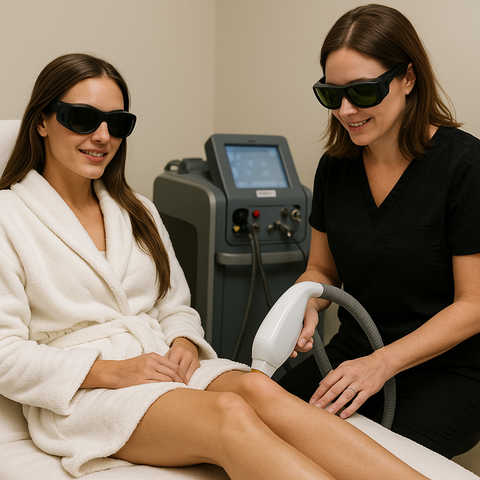
Red light phototherapy is simple on purpose. You’re using a red light therapy light designed to support your body’s natural repair processes. It’s non-invasive and it doesn’t “peel” or “strip” anything. That’s why people come in for it when their skin feels reactive after too much Phoenix sun, or when their body just feels inflamed after workouts, hiking, or golf.
Our Red Light Therapy Month is about consistency. We help you pick a weekly rhythm (most people do 2 to 5 short sessions per week) so the results build. You’ll be comfortable, you’ll have eye protection, and you can usually get in and out quickly. If you’re also doing tanning or skin services elsewhere, tell us what you’ve got going on so we can help you space things out smartly and avoid making your skin cranky.
Quick reality check: Red light therapy is a “stacking” service. One session can feel good, but the visible skin changes usually show up after you’ve been consistent for a couple of weeks.
The red light therapy benefits people notice by week 2, 4, and 8
People book Red Light Therapy Month for a bunch of reasons, but a few patterns show up over and over at our North Phoenix / Deer Valley location.
1) Less inflammation and less “sun-stressed” sensitivity
Phoenix sun is no joke. Red light therapy is designed to calm things down, which is why we hear comments like “the inflammation in my entire body is was down.” Another regular who uses our red light a few times a week told us they noticed less inflammation too. If you tend to look red easily or your skin stays warm and irritated after time outside, this is one of the most common reasons people stay consistent.
2) A smoother look in fine lines and a healthier-looking face
Red light therapy supports collagen production, and that shows up as skin that looks a little smoother and more even over time. One of our regulars told us they started seeing “a small difference in the fine lines around my lip line” and that past acne scarring looked better. We love that kind of feedback because it’s realistic. It’s not “overnight, ” it’s “wait, I’m seeing something.”
“I can’t even believe how much better I feel overall! I have so much more energy and my chronic back issues have seemed to be so much better and maintainable!”
one of our regulars
3) Better recovery, especially if your back and joints complain
If you’re active on weekends, your body often tells on you by Monday. We hear about back issues a lot. When someone says their chronic back problems feel “better and maintainable, ” that’s exactly what we want. Red light therapy isn’t a replacement for medical care, but many people use it as part of their routine to recover faster and feel less beat up.
So when will you see it?
Most people start noticing texture and redness improvements within 2 to 4 weeks when they’re consistent. The changes tend to look stronger by week 6 to 8. That’s why a month package makes sense. It’s long enough to build momentum.
Is Red Light Therapy Month a good fit for your skin and schedule?
You’ll probably love this if you’re dealing with sun-exacerbated redness, you’re seeing early fine lines, or you want a steady plan that helps you feel better in your body, not just look better in the mirror. It’s also a great add-on if you already come to us for tanning and you want something that supports healthier-looking skin.
Heads up, we do need you to tell us about photosensitizing medications or anything that makes your skin unusually reactive to light. And we’ll always set you up with eye protection.
Why people keep doing red light with us in North Phoenix
We’ve been in Phoenix for 17 years, and we run Ohana the same way we’d want to be treated. People talk about walking in and feeling like family. They also call out that we’re clean, welcoming, and actually helpful when you have questions.
And the trust piece matters. A long-time customer shared a story about losing a gold bracelet during a tanning visit, and our team found it and returned it. That’s not a marketing line. That’s how we do business.
“There is nothing like feeling like family when you walk into any business.”
a first-time visitor
Ready to try a month? Call us at +16025694624 or email tan@ohanasuntanning.com. We’ll help you choose a weekly cadence that fits your schedule and your skin, especially if you’re driving in from Scottsdale, Glendale, Peoria, Paradise Valley, or Cave Creek.
Visit us: 3230 East Union Hills Drive, Suite 105, Phoenix, AZ 85050