

Advanced Red Light Therapy Light: Real Timelines (2–12 Weeks) & How to Extend
By Ohana Sun Tanning | August 30, 2026
North Phoenix, Deer Valley area near Union Hills Drive and 32nd Street
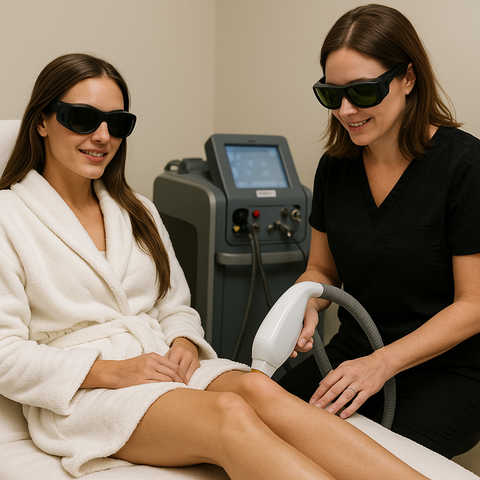
A real timeline helps you decide if Advanced Red Light Therapy is worth it. Here’s our honest range: quick, surface-level changes like reduced redness and a fresher glow often stick around 1 to 4 weeks. The deeper changes people want, like improved texture, firmer-looking skin, and longer-term comfort for chronic aches, build over 6 to 12 weeks with consistent sessions. One of our regulars told us that after three weeks straight they had “so much more energy, ” their chronic back issues felt “better and maintainable, ” and their face looked “amazing and healthy.”
2 timelines to know: the 1–4 week glow vs. the 6–12 week build
Advanced Red Light Therapy is photo bio-modulation, also called red light phototherapy. It uses red and near-infrared light to support collagen and elastin, calm inflammation, and help the skin look smoother and more even. We also see people use it for internal wellness goals like muscle recovery, arthritis, fibromyalgia discomfort, and that “I just feel better” baseline.
Your short-term window (1–4 weeks)
This is the “I look more awake” phase. If your goal is redness, post-breakout irritation, or a quick healthy look before events, you’ll usually notice changes fast. They can fade quicker if you’re in the Phoenix sun a lot, you’re not wearing broad-spectrum SPF, or you’re inconsistent with sessions.
Your cumulative window (6–12 weeks)
This is the “my skin texture is changing” phase. Collagen support and longer-term inflammation changes take time. We hear it in real-life language, like noticing fine lines and acne scarring starting to soften, or that joint and back pain “seems to be subsiding with each treatment.”
And yes, location changes the math. In North Phoenix and throughout Scottsdale, Glendale, Peoria, Paradise Valley, and Cave Creek, our year-round UV and dry desert climate can shorten how long skin looks calm and hydrated. That’s why we talk sunscreen and hydration as part of the plan, not as an afterthought.
How to extend red light therapy benefits in Phoenix (the stuff that actually moves the needle)
Our Advanced Red Light Therapy session is 12 minutes. It’s quick, but the consistency is what stacks results. A lot of our long-timers treat it like a low-downtime wellness stop. One regular even described it as relaxing and said it became their go-to, especially for lower back comfort.
5 habits we recommend right away
- SPF every single day in Phoenix. Broad-spectrum sunscreen keeps UV from undoing the calm, even look you’re building. Reapply after outdoor time, even when you “weren’t out that long.”
- Hydrate like it’s your job. Desert dryness plus A/C can make your skin look rough fast. Hydration helps that smoother, healthier finish last longer.
- Use topical antioxidants. Vitamin C in the morning pairs well with the goal of brighter, more even-looking skin. If you’re not sure what plays nicely with your routine, let us know what you’re using and we’ll talk it through.
- Skip heavy exfoliation right after sessions. Give your skin a little breathing room. If you’re actively treating acne or texture, spacing out strong exfoliants often helps you stay comfortable and consistent.
- Keep at-home devices as a supplement. People ask us, “Do cheap red lights work for red light therapy?” The short answer is: device quality matters a lot. At-home lights can be a nice in-between, but they usually don’t replace professional red light phototherapy if you’re trying to make real progress in 6 to 12 weeks.
“Lay in it like any other bed. Get a blast of warm red light rays for about 12 min. I will honestly say since using the red light therapy my lower back pain has gone away!”
one of our regulars
Tip for our Deer Valley neighbors near Union Hills and 32nd Street: early-morning or evening appointments tend to feel nicer in the hotter months. You’ll walk out and not get hit with peak heat right away.
Why results fade early: 5 fixable mistakes we see all the time
If you try red light therapy once and expect it to “stick” for months, you’ll probably feel underwhelmed. The good news is most early fade-outs come down to simple things we can adjust.
Inconsistent schedule: doing a week, then disappearing for three. Fix it with a realistic plan you can keep.
Unprotected sun exposure: Phoenix UV is no joke. Daily SPF is what protects the investment.
Dehydration: dry skin shows texture faster. Water matters, and so does a solid moisturizer.
Smoking: it tends to slow skin repair. If this is you, we’ll talk about what’s realistic and what you’ll see with consistency.
Low-quality devices: the light matters. Professional-grade red light therapy is a different experience than bargain gear.
When to rebook Advanced Red Light Therapy (based on your goal)
Once you’ve built momentum, maintenance is where people keep that “I feel better” and “my skin looks healthier” baseline. We’ve been in North Phoenix for 17 years, so we’re big on plans you’ll actually keep, not perfect routines that fall apart in week two.
Simple maintenance schedules
- Skin tone + texture: after an initial series, book every 4 to 6 weeks.
- Acne + inflammation support: many people do best with maintenance every 2 to 4 weeks, depending on what your skin does between visits.
- Chronic pain and recovery goals: this can range weekly to monthly. If you notice you feel good for a week and then slide back, we tighten the spacing.
If you’re also doing tanning beds, sun beds, or a spray tan, we’ll help you map a schedule that makes sense. A lot of our regulars pair services because they like how it keeps their skin looking fresh and even. If you want more specifics, start with what to expect from your first Advanced Red Light Therapy visit and our Advanced Red Light Therapy post-care guide.
A quick plan we can set up in 5 minutes at the front desk
If you’re in the Deer Valley area near Union Hills Drive and 32nd Street, we’re an easy stop for a 12-minute Advanced Red Light Therapy session at $64.95. We also have single-session and monthly options available if you prefer to keep it simple over a few weeks.
Tell us your goal, skin support, acne and inflammation, or recovery and pain comfort, and we’ll suggest a schedule you can realistically maintain in Phoenix’s heat and UV. If sun damage is part of your story, our sun-damaged skin and Advanced Red Light Therapy guide is a good next read.
Visit us
3230 East Union Hills Drive, Suite 105, Phoenix, AZ 85050
Call or email
+16025694624 | tan@ohanasuntanning.com
Want the skin-focused version of this plan? Read our Advanced Red Light Therapy skin recovery guide.


